
What Makes an Activity a Quiet Time Activity
Plenty of activities are quiet on paper and loud in a real classroom. The ones that actually settle a room share three traits. They start with no instructions — the moment you explain rules, the room is talking again. They absorb attention completely — a half-interesting task leaves half the class looking for entertainment. And they end cleanly — no pieces to argue over, no winner, nothing that needs finishing tomorrow.
Quiet time also works best when it is a routine, not a reaction. If quiet activities only appear when the teacher is frustrated, students read them as punishment and resist. Run a short quiet block at roughly the same point each day — after lunch is the classic — and it becomes simply what the class does, the way lining up is what the class does.
Everything TimelapsePhoto offers teachers is free, with no sign-up and no watermark — and it runs in your browser, so no student information is uploaded or stored. The library behind this guide holds 216 pages: 120 printable line-art pages and 96 colored examples across 14 categories.
Eight Quiet Time Activities That Earn Their Place
Watch a picture draw itself. The whole-room reset that needs nothing in anyone’s hands. On the For Teachers & Schools page, pick a short set of calm pages — sea animals and sleeping animals work best — and let each picture draw itself on the board in about ten seconds. Every eye goes to the same slow thing at the same time, which is exactly what a loud room cannot give itself. This is the strongest opener: settle the room together first, then hand out individual work.
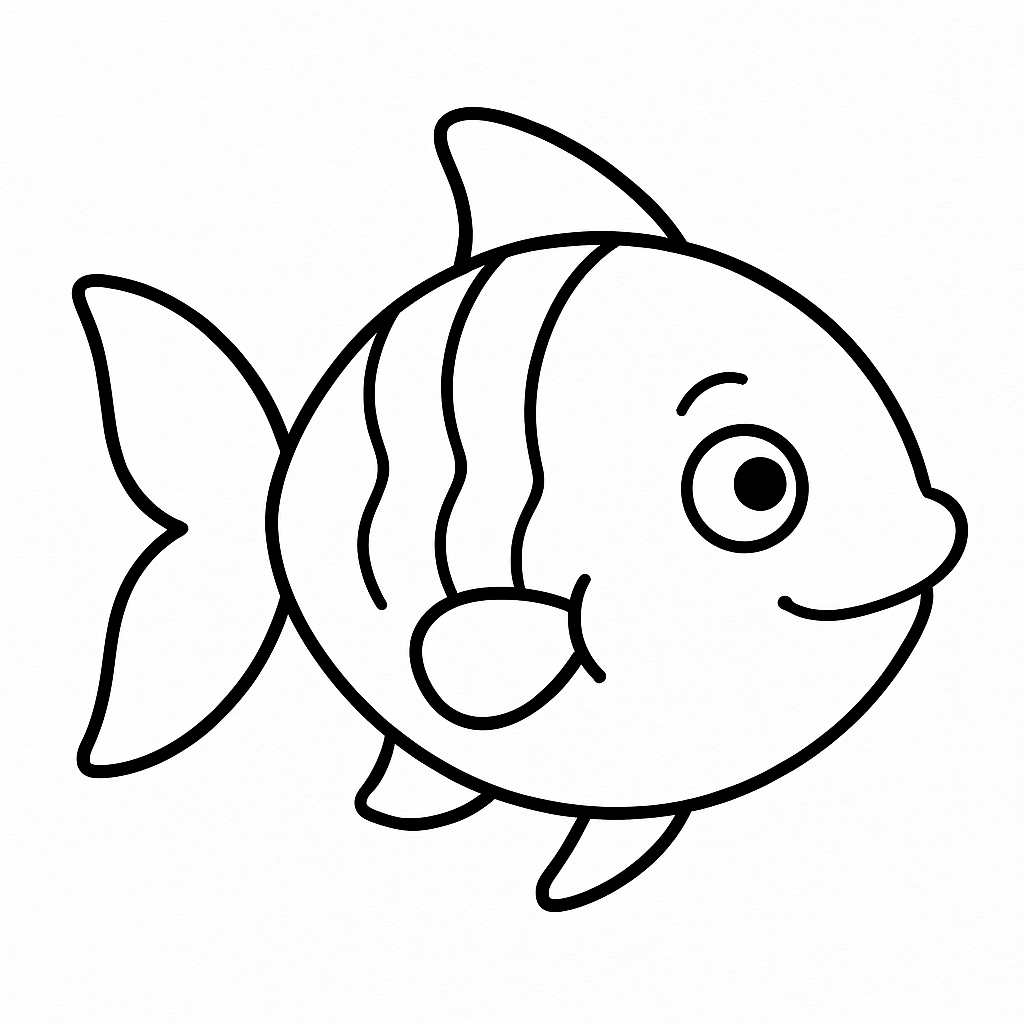
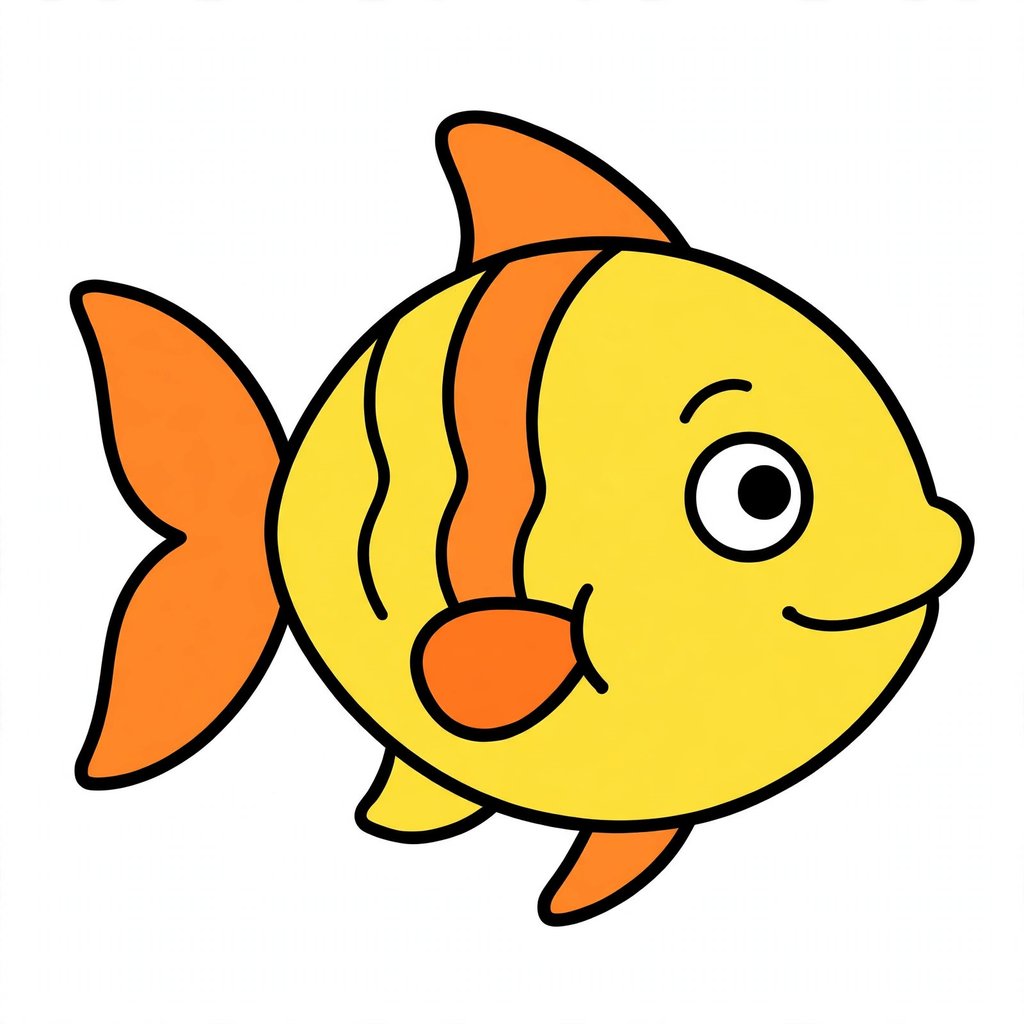
Color the page you just watched. Print the same pages from the kids library and the watching turns into doing. Students have already seen how the picture is built — big shapes first, details last — so they start coloring with unusual confidence. A fish watched together, then colored at desks, fills fifteen quiet minutes with ease.
Picture books and look-and-find. A book box is the oldest quiet time tool for a reason. Look-and-find books deserve a special mention: the search task absorbs students who find open-ended reading hard to settle into, and pairs can hunt silently together without a word being exchanged.
Silent puzzles and pattern blocks. Jigsaws, pattern blocks and tangrams occupy hands and eyes at once and make no noise worth mentioning. Keep two or three sets in the quiet time bin rather than a shelf of them — limited choice is part of what keeps the volume down.
A one-minute breathing reset. Before individual quiet work, sixty seconds of guided breathing — in for four counts, hold for two, out for four — gives younger classes a bridge between recess energy and desk energy. It feels too simple to work until the third day, when students start doing the counting themselves.
Quiet journals: draw or write anything. A dedicated notebook that is never graded and never collected changes what quiet time feels like. Students draw, list, copy a favorite page, or write the story of the picture they just watched. Because nobody will mark it, reluctant writers fill pages they would never fill in a workbook.
Listen to a chapter. A read-aloud is quiet time the teacher controls completely: heads can rest, eyes can close, and the story does the settling. Serial chapters work best — the class quiets faster when they want to know what happens next.
Make your own page for tomorrow. On Fridays, let the class vote on a picture idea — “a hedgehog in the snow” — and turn it into a printable page with the AI coloring page generator, or convert a class photo with the photo-to-coloring-page converter. Tomorrow’s quiet time opens with a page that exists because they asked for it.
A Ready 15-Minute Quiet Time Plan
Minutes 0–1 — the signal. Same words, same gesture, every day: lights dim at the front, one breathing round together. Predictability is doing half the work before any activity starts.
Minutes 1–5 — settle together. Play a short drawing show of four to six calm pages on the board. Nobody needs anything, nobody can start wrong, and latecomers join by looking up. Our guide to drawing videos for classroom use covers choosing and pacing shows in detail.
Minutes 5–14 — quiet individual work. Hand out the printed version of one page from the show, or open the quiet time bin: coloring, look-and-find, puzzles, journals. The room is already quiet, so individual work starts quiet — that order is the whole trick.
Minute 15 — end while it is working. Stop on time, name one thing you noticed (“everyone started without a word today”), and let finished pages go to the display board or home. Ending early on a good day buys you tomorrow’s settle.
Matching Quiet Time to the Moment and the Age
Arrival: the show or a page on each desk starts itself while you take attendance. After lunch and recess: begin with the breathing minute and the drawing show — this is the loudest re-entry of the day and needs the whole-room reset before desk work. Indoor recess: run the longer, looped version and open the full bin. End of day: journals and listening to a chapter send students home calmer than they would leave a worksheet.
By age: preschool and kindergarten hold 5–10 minutes with bold, single-subject pages and lots of together-watching; grades 1–2 hold 10–15 minutes once the watch-then-color pattern is familiar; grades 3–5 hold 15–20 minutes when choice is real — their own journal, their own page from the full kids library, busier dinosaur, space and unicorn scenes. The printable side of the routine — choosing pages by grade and printing a class set without wasting ink — is covered in our guide to free coloring pages for teachers, and the seasonal version in free Thanksgiving classroom activities.
The substitute version: save your drawing show as a single video file with Create Video on the teachers page, and leave the quiet time bin where your plans say it is. A substitute who can press play and point at a bin can run your exact quiet routine without your logins, your projector remote knowledge, or your voice.
The Quiet Time Bin: Set It Up Once
One small bin, kept in the same place all year: a folder of printed coloring pages (swap in seasonal pages — Thanksgiving now, Christmas from late November — so it feels new without being new), a few picture and look-and-find books, two or three silent puzzles, quiet journals with pencils, and a card noting your saved show for the board. That is the entire infrastructure. When quiet time lives in one bin and one board routine, it stops depending on your energy on a given afternoon — which is, of course, exactly when you need it most.
Frequently Asked Questions
What are the best quiet time activities for a classroom?
The ones that start with no instructions, absorb attention completely and end cleanly: watching a picture draw itself on the board, coloring a printed page, look-and-find and picture books, silent puzzles and pattern blocks, a one-minute breathing reset, and quiet journals. Keep two or three ready rather than hunting for a new idea each time the room gets loud.
How long should classroom quiet time last for different ages?
Preschool and kindergarten settle well for about 5 to 10 minutes; grades 1–2 manage 10 to 15 minutes; grades 3–5 can hold 15 to 20 minutes when the activity absorbs them. End while the room is still quiet — finishing on a calm note makes tomorrow’s session start easier.
What quiet time activities need no printing, supplies or prep?
A drawing show on the board needs nothing in students’ hands — the pictures draw themselves while the class watches. A guided breathing minute needs nothing at all. Heads-down listening to a read-aloud chapter, silent reading from book boxes already in the room, and pausing a drawing video after the first strokes for a guess-the-picture game are all zero-prep.
How do you get a class that resists quiet time to actually settle?
Make it predictable and short: the same signal, the same starting activity and roughly the same slot each day, so quiet time reads as routine rather than punishment. Start with the most absorbing option — a whole-room drawing show — before silent individual work, dim the front lights if you can, and end on time even when it is going well.
What goes in a quiet time bin that stays useful all year?
Printed coloring pages in a folder (seasonal pages keep it fresh), a few picture and look-and-find books, two or three silent puzzles or pattern-block sets, quiet journals with pencils, and a note card with your saved drawing-show plan. Refresh only the printed pages each season — the rest works unchanged from September to June.
Can quiet time still count as learning time?
Yes. Watching a picture draw itself teaches how drawings are built — big shapes first, details last — and coloring the same page is fine-motor and focus practice. Look-and-find books build vocabulary and scanning, puzzles build spatial reasoning, and quiet journals are writing practice. Quiet time is a lower volume, not a lower value.
Start Tomorrow’s Quiet Time Free
Pick a few calm pages, press Play, and let the room settle itself — then hand out the same pages to color.