
The Rise of 'Oddly Satisfying' Content
If you use social media at all, you definitely have come across videos showing hydraulic presses crushing all kinds of objects, the perfect way cake icing is done, or just the most amazing coincidences of objects fitting perfectly into their places. This is the realm of "oddly satisfying" content that collects billions of views. Timelapse drawing videos or "speed-paints" are among the biggest contributors to and at the same time the biggest evidence of this phenomenon.
But are they not so dynamic nonetheless? The tension of moving lines and colors turning into a perfect image does give a little thrill? It is all in the wiring of our brains. These types of videos exploit the innate psychological principles that create for us the feelings and states of mind of being calm, orderly, and completed.
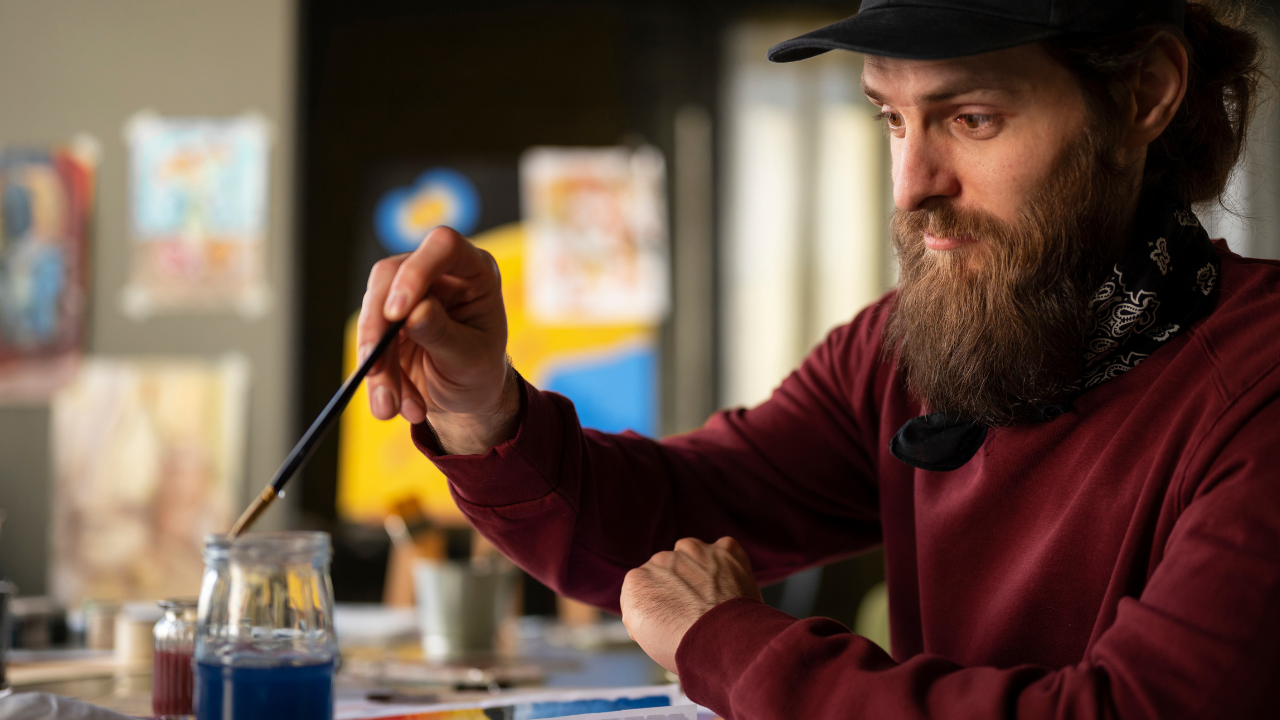
What's Happening in Your Brain?
The Release of "Feel-Good" Chemicals
Neuroscientists have posited that the viewing of tasks getting resolved in a neat manner results in the release of dopamine and serotonin in the brain. These are the same neurotransmitters that have been linked to reward and happiness. Your brain gets to see the "problem" of a blank canvas and the "solution" of a finished drawing and so it rewards you with a small chemical for being a witness to that resolution.
Mirror Neurons and Empathetic Experience
There are "mirror neurons" in your brain that get activated when you do something and when you see someone else doing that same thing. In case of watching a speed-paint, your brain, in a small way, is drawing the act of drawing itself, so to speak. You feel a sense of achievement as if you were the one to make the art, but without any effort or frustration on your part.
A Craving for Order in a Chaotic World
Life is usually complicated and unanticipated. The videos that are satisfying serve as a temporary getaway to a realm of flawlessness and organization. The drawn animation process is consistently flowing: it begins with disorder (a blank canvas) and advances to a clear, logical endpoint (the final picture). This consistency is naturally soothing and comforting to our minds.
How Creators Can Leverage This
Knowing this mental state is like having a superpower for the makers of the content. The timelapse videos made with our Drawing Animation Tool are exactly what you need to uplift these pleasant moods.
- Show the Process: Do not only display the end result. The process from the unpainted canvas to the completed artwork is what attracts the viewer's attention.
- Keep it Clean: The "cleanliness" of the automated drawing process, characterized by its perfect lines and absence of errors, makes the viewer "feel" the satisfaction even more.
- Use a Good "Reveal": The instance when the last image is revealed is the climax of the satisfying event. Pick pictures that have a clear and identifiable subject for the most significant impact.
Frequently Asked Questions
Why do speed-paint videos feel so satisfying to watch?+
Watching a task resolve smoothly triggers dopamine and serotonin release in the brain, creating a small sense of reward.
What role do mirror neurons play here?+
They activate when you watch someone draw, so your brain mimics the act, giving you a sense of accomplishment without any effort.
Why does the "process" matter more than the final image?+
The shift from a blank canvas to a finished picture mirrors our craving for order, making the journey itself feel calming.
How can creators make their timelapse videos more satisfying?+
Show the full process, keep the lines clean and error-free, and choose images with a clear, recognizable subject for the reveal.
Does this psychology actually help grow an audience?+
Yes, content that triggers these feel-good responses keeps viewers engaged longer, which supports stronger audience building.